





Types of Governments
Know that states and governments are of two types:
- A state and government whose main aim is collecting taxes.
- A state and government whose main aim is guidance.
Each type has its own character, mindset, people, and results.
In a government based on taxation, the main measure of success is how much money the government collects, how large its income becomes, how rich its officials are, and how grand and proud the cities look. This is so even if it comes from harming the poor, exhausting farmers and workers, imposing unfair taxes, and heavy fees. Such a government only cares about what increases its money and power, and what brings luxury, decoration, and pride. It uses this wealth so rulers, ministers, their families, officials, and servants can live in comfort, build large palaces, and buy wide lands inside and outside the country.
This government ignores the religious and moral education of the people. It neglects moral supervision and does not care about behavior and values. It turns away from anything that does not bring financial gain or political strength. It may allow sinful or forbidden acts if it benefits from them, and it may forbid allowed things if it fears political harm or financial loss.
As for the government whose aim is guidance, its duty is to call people to God, encourage good, and prevent wrong. Its standard of success is good morals, high character, love of virtue, concern for the Hereafter, simple living, satisfaction with little, avoiding sins, and competing in good deeds, even if this reduces its budget and wealth. It appoints preachers, sends teachers, supports moral accountability, bans alcohol, condemns immorality, forbids corrupt entertainment and music, controls reckless behavior, and stops everything that harms people’s faith, morals, and human life. Under such a government, mosques and schools are built and filled, religion and piety grow strong, crimes and sins decrease, righteous people become active and confident, while immoral and atheistic people withdraw and weaken. The leaders of this government follow what God described: those who establish prayer, give charity, command good, and forbid evil when they are given power.
The system of a guidance government is completely different from that of a taxation government in spirit, behavior, and conduct. In the people of a guidance government we see respect for religious law, honesty, service to others, selflessness, sacrifice, and loyalty. In the people of a taxation government we see lawbreaking, pride, oppression, selfishness, betrayal, hypocrisy, lies, and widespread bribery. People do not receive justice or peace of mind. Officials do not see themselves as servants of the nation or trusted guardians; they see themselves only as collectors of money for themselves and their families, using their position as a chance to gather wealth and not wanting to lose that chance.
History has shown examples of both types. Governments based on taxation are common and well known in the past and present, in the East and the West. Governments based on guidance are very rare, especially today, as most, or even all, governments of this time belong to the type based on taxation.
The necessities of a government of guidance are as follows:
1. An independent judiciary, which will be mentioned later.
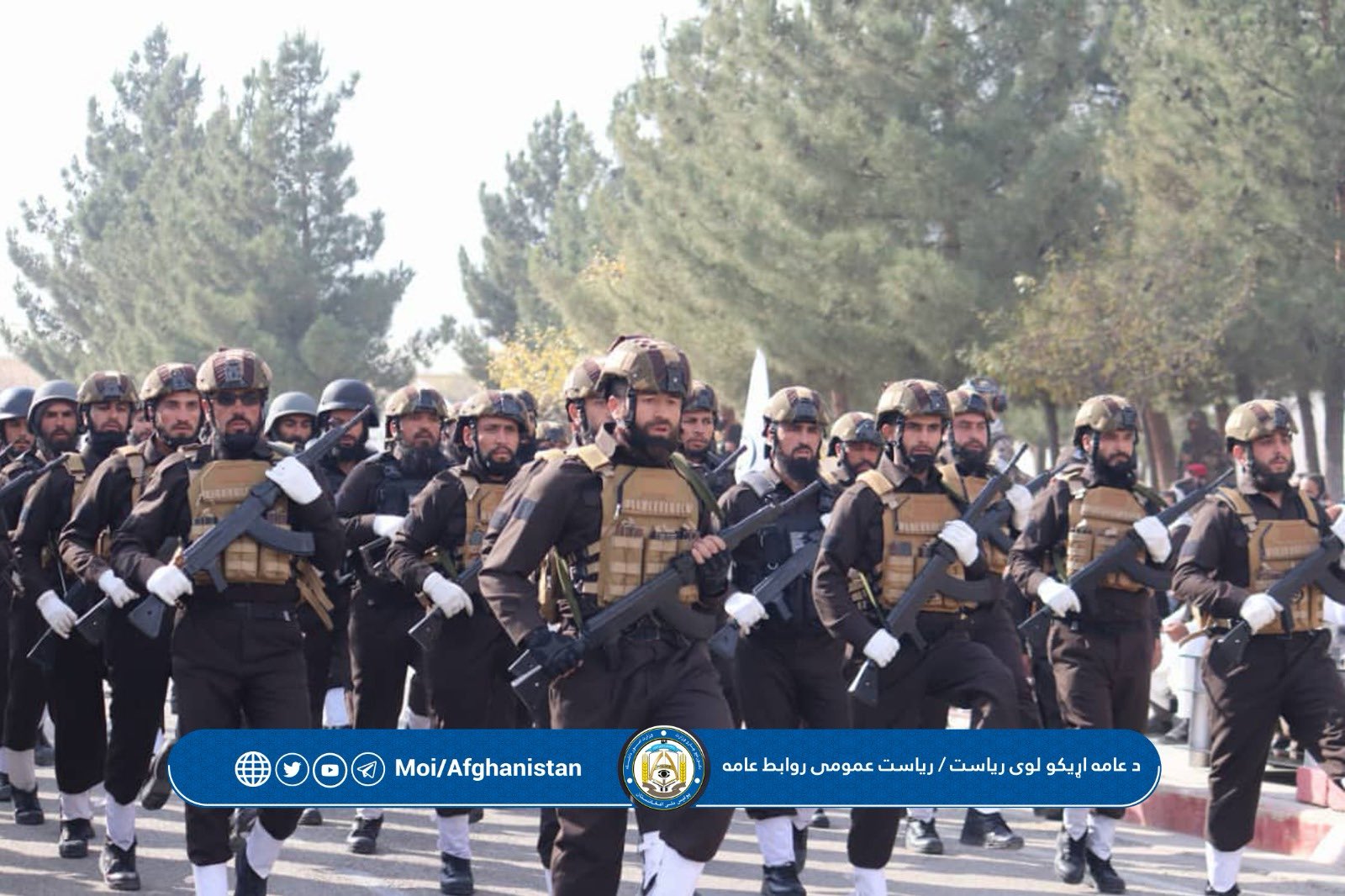
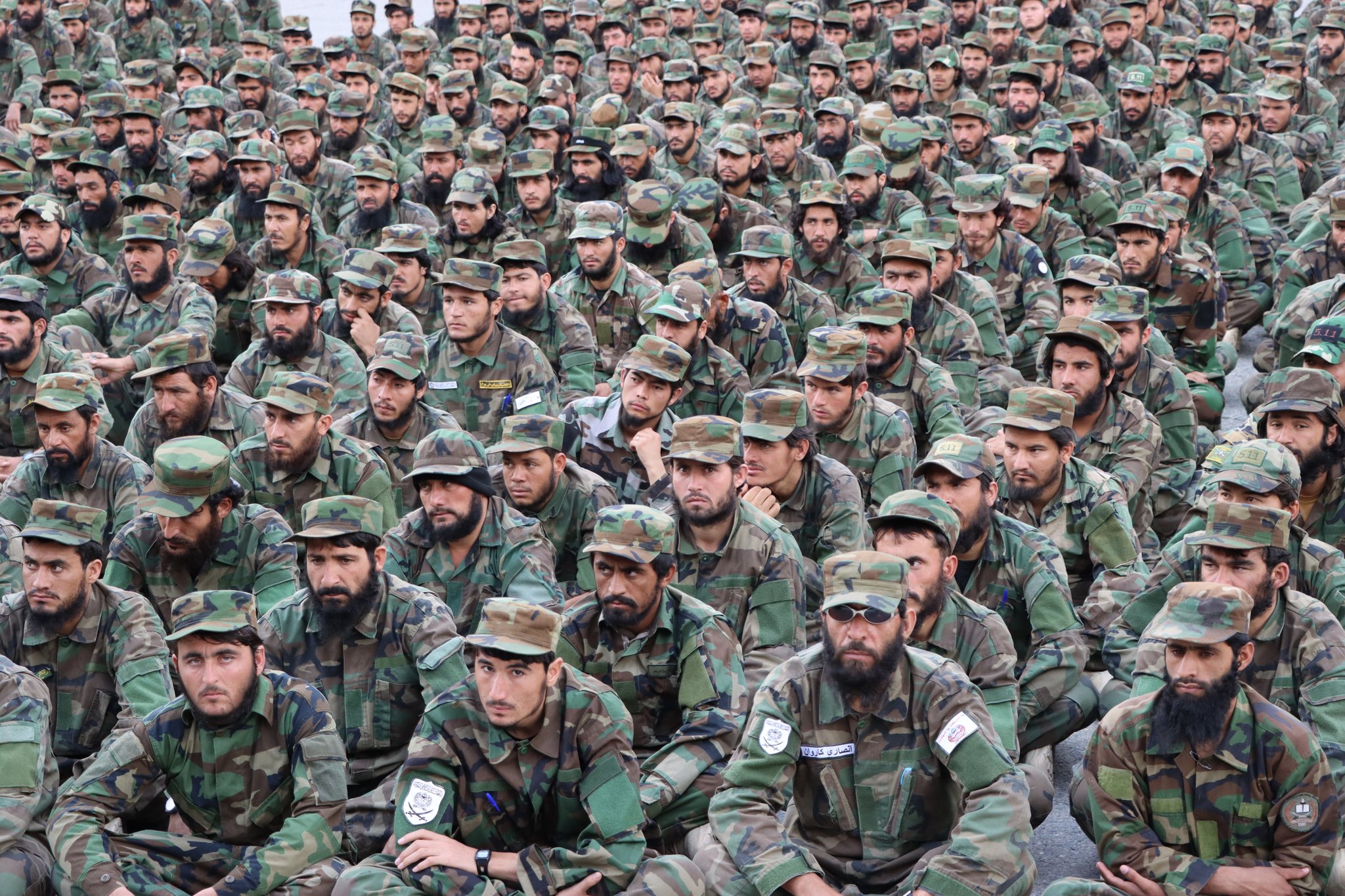
2. The Islamic army, which will also be mentioned later.
3. Divine law.
Administration must be governed by a law through which it is regulated. This law is of two types: a divine, revealed law, and a man-made, earthly law. The differences between them are many, the most important of which are the following:
1. Divine law is a message from God the Creator, and human beings have no role in establishing it. Man-made law consists of rules set by humans, so the two differ in their source.
2. The scope of divine law is broader than that of earthly law. Divine law regulates a person’s behavior with their Lord, with themselves, and with other people, while earthly law regulates only a person’s behavior with other people.
3. Divine law includes accountability in the Hereafter in addition to worldly punishments, if any exist. Man-made law includes only worldly punishments.
4. Since divine law is established by God, who encompasses all the subtle and major affairs of His servants, it is always just and fully inclusive of all true interests. Man-made law, being the work of human legislators whose knowledge is limited to custom, habit, time, and place, is inevitably deficient and in need of completion and change.
From these differences, it is established that organizing human life and managing human affairs can only be achieved through the Islamic law revealed from the Creator of the worlds, conveyed by the Trustworthy, preserved by the protection of the Almighty, the All-Wise, for the reform of humanity and the preservation of its rights.
Allah the Exalted says: “Indeed, the religion in the sight of Allah is Islam.” (Qur’an 3:19, Sahih International)
Allah the Exalted also says: “And whoever desires other than Islam as religion, never will it be accepted from him, and he, in the Hereafter, will be among the losers.” (Qur’an 3:85, Sahih International)
Imam al-Razi said that Allah clarified that whoever follows a religion other than Islam will not have it accepted by Allah and will be among the losers. Loss in the Hereafter consists of deprivation of reward and the occurrence of punishment, along with regret and sorrow over what was missed in this world of righteous deeds and over the hardship endured in establishing that false religion.
The Prophet ﷺ said: “Whoever introduces into this matter of ours that which is not from it, it is rejected.” (Sahih al-Bukhari)
Islam is a complete religion and a perfect creed. There is no human need, in religion or worldly affairs, except that Islam has clarified it completely. Allah the Exalted says: “This day I have perfected for you your religion and completed My favor upon you and have approved for you Islam as religion.” (Qur’an 5:3, Sahih International)
What is meant by perfection in this verse is perfection until the Day of Resurrection. The previous religions revealed by Allah were complete in their own times, but their completeness was limited to specific periods. This religion, however, is complete until the Day of Resurrection. Its principles do not change with the change of time. Rather, human needs in every time and place until the end of the world are fully met by this upright religion.
Imam al-Razi explained that the laws revealed by Allah at each time were sufficient for that time, but what was complete at one time might not remain complete later, so abrogation and addition occurred. At the final stage, Allah revealed a complete law and decreed its permanence until the Day of Resurrection. Thus, earlier laws were complete for limited periods, while the final law is complete until the Day of Resurrection.
Therefore, the Islamic state can only be sound through the implementation of the laws of the Qur’an and the Sunnah according to the understanding of the early generations and qualified jurists. This is what is sought through the struggle of the Islamic Emirate of Afghanistan. The nature of the people of Afghanistan also requires Islamic law, as they have been Muslims through their fathers and forefathers, have deep roots in Islam, and have experienced its benefits. Their nature submits only to the principles of Islam in all their affairs. May Allah keep them firm upon this until the Day of Resurrection.
The fighters of the Islamic Emirate have demonstrated to Muslims the possibility of implementing Islam as law and creed, and the possibility of restoring Muslim glory as it was in its earliest form. They have shown that surrendering to imported solutions does not lead to the progress of the Ummah, but rather to dependence and decline. They have also shown the validity and suitability of the Islamic solution for this age and every age, and that the later part of this Ummah will not be rectified except by that which rectified its earliest part.
Source: Kitāb al-Imārah wa Niẓāmuhā (The Islamic Emirate and Its System), by Qāḍī al-Quḍāt, Chief Justice of the Islamic Emirate of Afghanistan Shaykh ʿAbd al-Ḥakīm al-Ḥaqqānī, pp. 20–24.
